
Hormonal Acne in Women: Causes, Treatments, and Long-Term Solutions
TL;DR: Hormonal acne in women shows up as deep, tender breakouts along the jawline and chin, driven by androgen hormones that increase oil production. Prescription options like spironolactone, oral contraceptives and topical retinoids treat the root cause, and most women see real improvement within 8 to 12 weeks of starting a dermatologist-guided plan.
Table of Contents
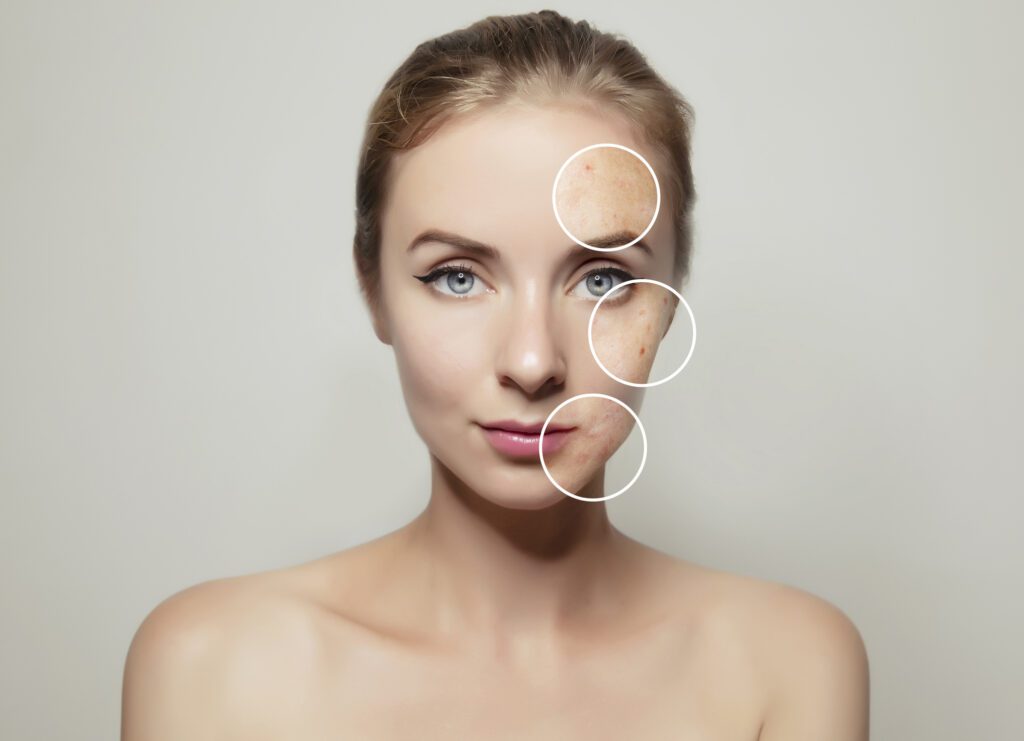
Adult acne in women is a medical condition with identifiable hormonal causes, and it responds to targeted prescription treatment. If you are breaking out in your 20s, 30s or 40s, you are far from alone. Between 20% and 40% of women with adult acne develop it for the first time in adulthood, often with no teenage history at all.
These breakouts behave differently than teenage acne. They run deeper, last longer and rarely respond to the drugstore products that worked at 16. Dr. Kimberly Cayce, MD FAAD and her team provide specialized care for women dealing with hormonal acne in Columbia and across mid-Missouri.
Anatomy of a hormonal breakout: the “hormonal acne zone”
Hormonal acne follows a recognizable map. Breakouts cluster along the jawline, chin and lower cheeks in what dermatologists call the hormonal acne zone. Instead of surface-level whiteheads, you get deep, painful cysts that sit under the skin for weeks.
The biology comes down to androgens. These hormones are present in every woman, and they signal your sebaceous glands to produce more sebum, the skin’s natural oil. When androgen activity rises or your skin becomes more sensitive to it, excess oil combines with dead skin cells to clog pores deep in the follicle. Bacteria multiply in that trapped oil, and inflammation follows.
What triggers hormonal acne in adult women?
Any event that shifts your hormone balance can set off a flare. The most common triggers include:
- Menstrual cycles. Estrogen drops in the week before your period, letting androgens dominate temporarily.
- Polycystic ovary syndrome (PCOS). Elevated androgen levels make persistent acne one of the condition’s hallmark signs.
- Pregnancy and postpartum shifts. Rapid hormonal swings can trigger breakouts even in women with historically clear skin.
- Perimenopause. Declining estrogen changes the androgen ratio, which is why acne can appear for the first time in your 40s.
- Starting or stopping birth control pills. Both transitions disrupt the hormonal equilibrium your skin had adapted to.
Is your acne actually hormonal?
Timing and location tell the story. Breakouts that flare on a monthly rhythm and concentrate on the lower face point to hormones. Acne scattered across the forehead and hairline more often traces back to hair products or cosmetics, while sudden widespread breakouts can signal a bacterial or stress-related cause. A dermatologist can sort out the best way to treat acne based on which type you actually have.
Medical treatment options at Cayce Dermatology
Because hormonal acne starts below the surface, effective treatment has to work below the surface too. Dr. Cayce builds each plan around your specific hormonal picture, health history and skin type through her medical dermatology services in Columbia.
Prescription topicals
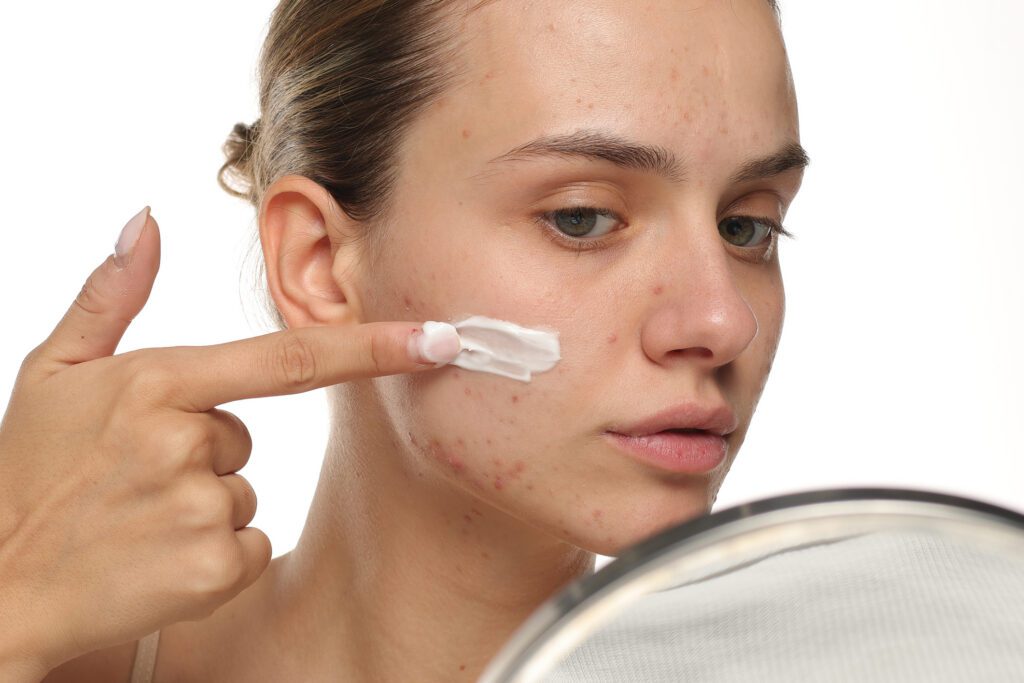
Prescription retinoids remain a foundation of acne care. They normalize how skin cells turn over inside the pore, which prevents the clogs that become cysts. Dr. Cayce may pair them with targeted topical antibiotics or anti-inflammatory agents, depending on your skin’s needs.
Systemic treatments that regulate hormones
For moderate to stubborn hormonal acne, oral medication often makes the difference:
- Combined oral contraceptives stabilize the estrogen-androgen balance across your cycle, reducing the monthly flare pattern.
- Spironolactone, an anti-androgen medication, blocks the hormone receptors that trigger excess oil production. It is one of the most reliable options for adult women with jawline breakouts.
Advanced clinical aesthetics at Cayce Medical Spa
Professional treatments speed up results while your medical plan addresses the hormonal root cause. Cayce Medical Spa sits just across the street from the dermatology office in Columbia, which makes coordinated care simple.
Options include medical-grade chemical peels to clear congested pores and fade discoloration, professional extractions performed safely without scarring risk and laser treatments that calm inflammation and target acne-causing bacteria.
Repairing post-acne damage
Cystic breakouts often leave texture changes and pitted scars behind. Microneedling stimulates your skin’s own collagen production to smooth those scars and restore even texture. You can explore the full range of acne and acne scar treatments at Cayce Medical Spa as part of your plan.
Lifestyle factors and long-term management
Hormones respond to how you live. Chronic stress raises cortisol, which stimulates oil glands and worsens inflammation. High-glycemic diets and poor sleep also nudge hormone levels in the wrong direction, so managing all three supports whatever treatment you are on.
Set realistic expectations on timing. Hormonal treatments like spironolactone typically need 8 to 12 weeks before significant improvement appears, and skipping ahead to judge results at week three leads many women to quit too early.
OTC products with salicylic acid or benzoyl peroxide are reasonable for occasional surface-level breakouts. Once acne turns deep, painful, cyclical or scarring, it is time to see a board-certified dermatologist rather than spend another year experimenting at the drugstore.
Take the next step toward clearer skin
Hormonal acne is treatable, and you do not have to figure it out alone. Dr. Cayce creates customized treatment plans that combine medical dermatology, clinical aesthetics and practical lifestyle guidance for women throughout mid-Missouri.
Schedule a consultation at Cayce Dermatology Center in Columbia, MO, and start a plan built around your skin.
Hormonal Acne FAQs
How do I know if my acne is hormonal?
Hormonal acne appears as deep, tender bumps along the jawline, chin and lower face, and it typically flares in the week before your period. If your breakouts follow a monthly pattern and started or returned in adulthood, hormones are the likely driver. Acne that resists over-the-counter products is another common clue.
What is the most effective hormonal acne treatment for adult women?
Spironolactone, combined oral contraceptives and prescription retinoids have the strongest track record for adult women. The most effective plan usually combines a systemic medication with a topical routine, so a board-certified dermatologist should match the options to your health history.
Does spironolactone completely clear hormonal acne?
Spironolactone significantly reduces breakouts for many women, though complete clearing is not guaranteed for everyone. Most patients see meaningful improvement within 8 to 12 weeks, and some need a dose adjustment or a companion topical treatment to get fully clear. Continued use is usually required to maintain results.
Can lifestyle changes cure hormonal acne in women?
No, lifestyle changes alone rarely cure hormonal acne because the root cause is internal hormonal fluctuation. Managing stress, improving sleep and limiting high-glycemic foods can reduce flare severity and support your medical treatment. Treat lifestyle as a supplement to prescription care.